Kazakhstan is emerging as a pivotal player in the future of Eurasian trade, particularly through its development of the Trans-Caspian Corridor. This infrastructure initiative is critical in connecting Europe and Asia, facilitating trade and investment across the region. With its unique geographical position, Kazakhstan is poised to leverage its resources and logistics capabilities, shaping the economic landscape of Eurasia.
The Significance of the Trans-Caspian Corridor
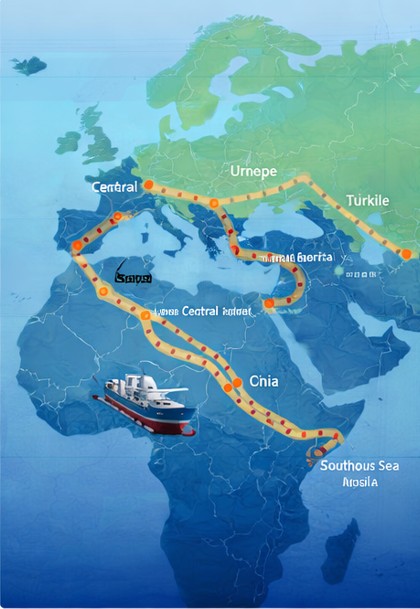
The Trans-Caspian Corridor is a key component in the broader Silk Road Economic Belt, aimed at enhancing connectivity between countries in Europe and Asia. It provides an alternative route for goods traveling from China to Europe, reducing transit times and costs. The corridor runs from the Chinese border through Kazakhstan and connects to the Caspian Sea, where goods can be shipped to various destinations.
Kazakhstan's role in this corridor is multifaceted. The country is not only a transit hub but also a vital partner in establishing trade relations among participating nations. By investing in infrastructure such as railroads, ports, and logistics centers, Kazakhstan is enhancing its capacity to facilitate smoother trade flows.
Moreover, the Trans-Caspian Corridor aligns with Kazakhstan’s national development strategy, which emphasizes economic diversification and modernization. The government recognizes that improving transport and logistics is essential for attracting foreign investment and boosting trade volume.
Infrastructure Development and Investment
Kazakhstan is actively pursuing infrastructure projects to bolster the Trans-Caspian Corridor. Recent investments in rail and port facilities are designed to enhance operational efficiency and increase capacity. The development of the Aktau and Kuryk ports on the Caspian Sea is particularly noteworthy. These ports are critical for shipping goods to and from Europe, providing essential maritime links in the corridor.
Additionally, the country’s rail network is undergoing significant upgrades. The completion of the Western Europe–Western China international transit corridor has facilitated improved rail connectivity across Kazakhstan. This project, in collaboration with multiple countries, aims to streamline transport logistics, enabling faster delivery of goods.
Kazakhstan's strategic investments in infrastructure not only benefit local economies but also enhance its attractiveness as a transit country for international trade. The government has been keen to open its markets to foreign investors, promoting public-private partnerships to accelerate development.
Challenges and Opportunities Ahead
While Kazakhstan's ambitions in the Trans-Caspian Corridor are commendable, several challenges remain. Geopolitical tensions in the region can impact trade routes and logistics. Additionally, the need for consistent regulatory frameworks across different countries can create hurdles that may hinder trade flow.
However, Kazakhstan is actively addressing these challenges. Engaging in diplomatic dialogues with neighboring countries and participating in regional organizations help mitigate risks and foster collaboration. The commitment to enhancing trade routes through the Trans-Caspian Corridor presents an opportunity for Kazakhstan to position itself as a leader in Eurasian trade.
Moreover, the global shift towards sustainable practices in logistics presents Kazakhstan with the chance to integrate greener technologies into its infrastructure projects. This focus on sustainability can enhance its appeal to environmentally conscious investors and trading partners.
In conclusion, Kazakhstan stands at a critical juncture in shaping the future of Eurasian trade through the Trans-Caspian Corridor. By investing in infrastructure and fostering regional cooperation, the country is well-positioned to enhance its role as a key player in international trade. As it navigates the complexities of this corridor, Kazakhstan's strategic decisions will have lasting implications for its economy and the broader Eurasian landscape.
Silk Road Economic Belt Map
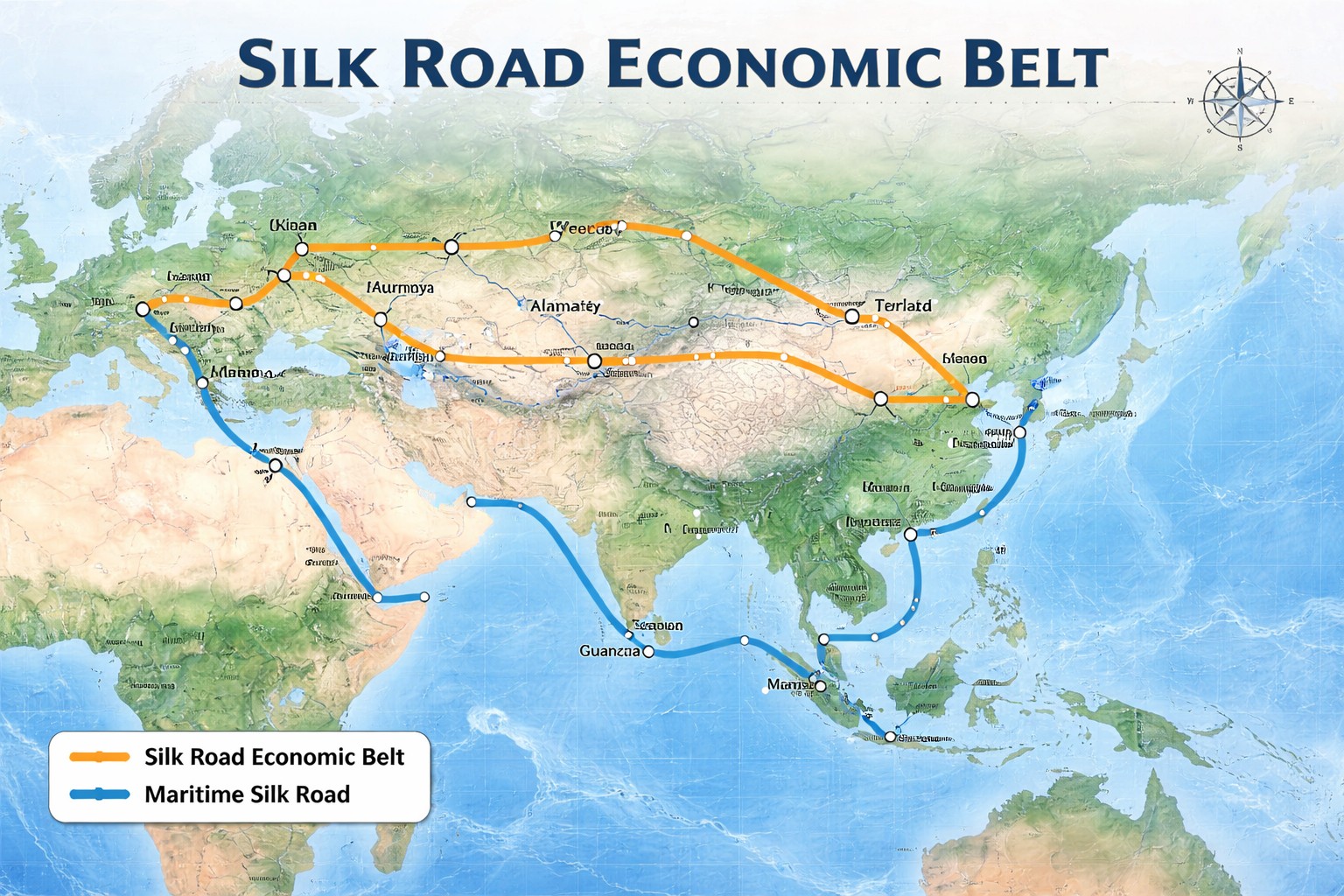
Map overview of Eurasian corridors and trade routes.
Recommended Resources
This page may contain affiliate links. If you buy through these links, we may earn a commission at no extra cost to you.
Logistics & Supply Chain Book
Useful background reading for transport corridors, trade routes, and supply chains.
View ResourceTrade Data Platform
A platform for researching trade flows, customs data, and freight trends.
Open PlatformBusiness Travel Insurance
Optional partner offer for readers traveling across Eurasia for business.
Check Offer