




Kazakhstan and Georgia are taking significant steps to enhance their logistics partnership, focusing on the Trans-Caspian route as a critical corridor for trade and economic cooperation. This initiative aims to bolster the connectivity between Central Asia and Europe, providing a vital link for goods and services along the Silk Road Economic Belt.
Strengthening Trade Connections
Both nations recognize the importance of the Trans-Caspian route in facilitating trade across regions. Kazakhstan, strategically positioned as a gateway between Europe and Asia, has been actively promoting its logistical capabilities to attract foreign investments and enhance trade flows. Georgia, with its access to the Black Sea, serves as a crucial transit point for goods heading to European markets.
Trade between Kazakhstan and Georgia has been steadily growing, driven by shared goals of economic diversification and regional integration. By strengthening their logistics ties, both countries aim to streamline trade processes, reduce transit times, and lower costs for businesses engaged in cross-border commerce.
Infrastructure Development Initiatives
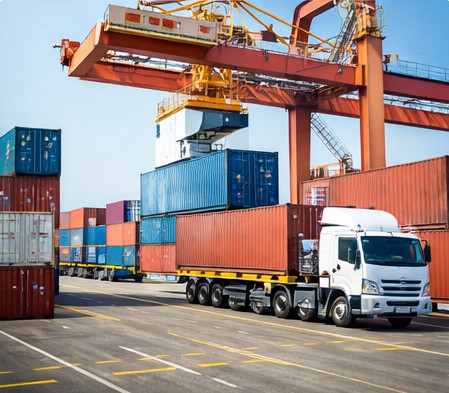
To realize their logistical ambitions, Kazakhstan and Georgia are investing in infrastructure improvements along the Trans-Caspian route. This includes upgrades to ports, railways, and road networks, which are essential for facilitating smoother transportation of goods. Enhanced infrastructure not only supports existing trade but also attracts new business opportunities.
Kazakhstan's government has expressed its commitment to developing transport corridors that connect with international markets. Recent projects include modernizing the Aktau port on the Caspian Sea and improving railway links to key regional hubs. Similarly, Georgia is enhancing its port facilities and rail connections to ensure efficient transit for goods moving through its territory.
Collaborating on Regional Logistics
The collaboration between Kazakhstan and Georgia extends beyond infrastructure. Both countries are keen to align their logistics policies and regulatory frameworks to create a more conducive environment for trade. This includes addressing customs procedures, improving border management, and harmonizing standards for goods.
In this context, Kazakhstan and Georgia are engaging in discussions with other countries along the Trans-Caspian route to foster a collaborative approach to logistics. By working together, they aim to optimize the supply chain, making it more resilient and responsive to market demands.
As part of these efforts, the two countries are also exploring opportunities for joint ventures in logistics and transportation sectors, which could further stimulate economic growth and create new jobs.
In conclusion, Kazakhstan and Georgia's ongoing efforts to strengthen their logistics ties through the Trans-Caspian route reflect a strategic approach to enhancing trade connectivity in Eurasia. With continued investments in infrastructure and policy alignment, both nations are poised to position themselves as vital players in the global trade landscape.
Silk Road Economic Belt Map
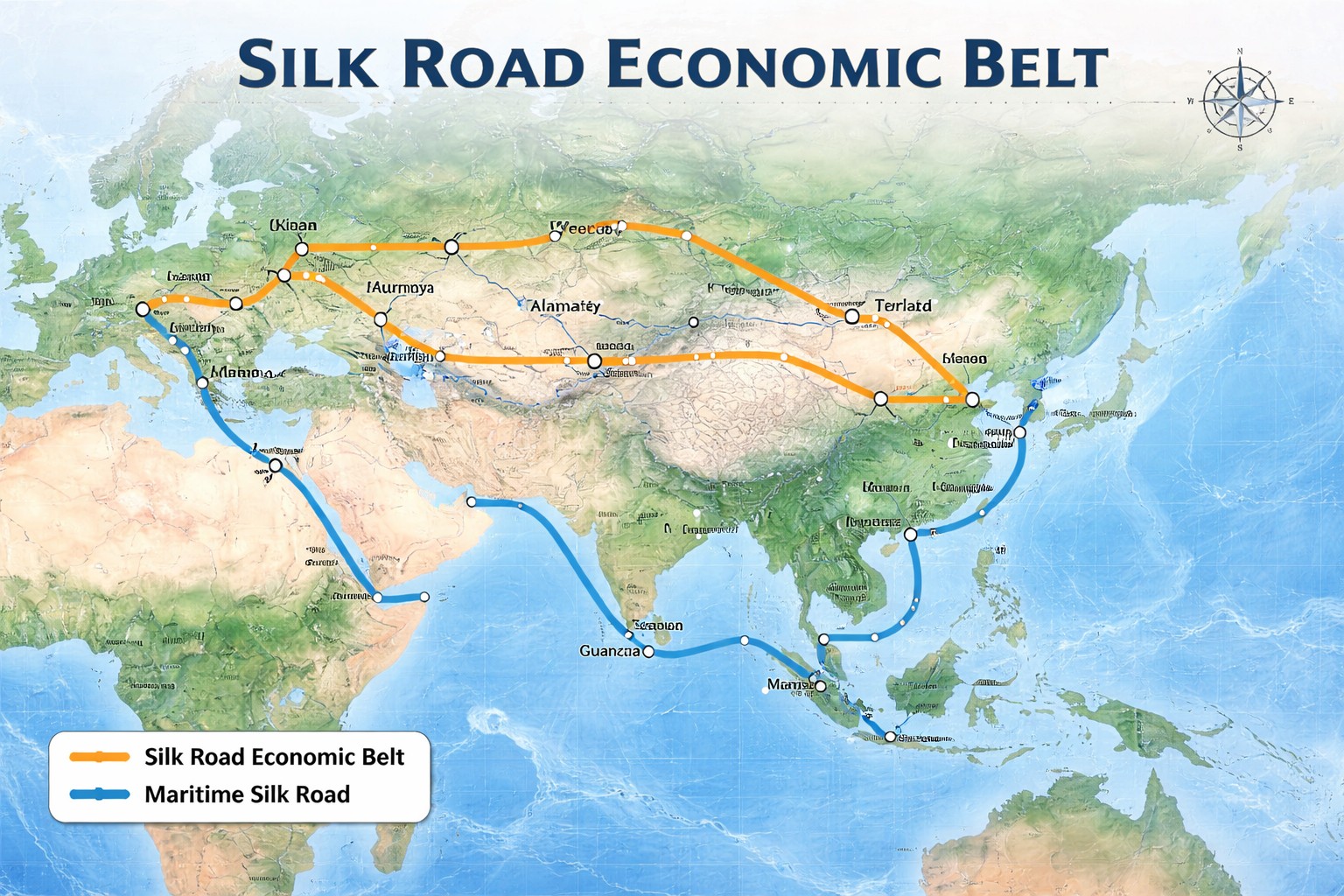
Map overview of Eurasian corridors and trade routes.
Recommended Resources
This page may contain affiliate links. If you buy through these links, we may earn a commission at no extra cost to you.
Logistics & Supply Chain Book
Useful background reading for transport corridors, trade routes, and supply chains.
View ResourceTrade Data Platform
A platform for researching trade flows, customs data, and freight trends.
Open PlatformBusiness Travel Insurance
Optional partner offer for readers traveling across Eurasia for business.
Check Offer