---
In recent years, Georgia has been actively pursuing initiatives to enhance its role as a trade and logistics hub within the framework of the Silk Road Economic Belt. This ambition aligns with the country’s geopolitical significance, nestled at the crossroads of Europe and Asia, and reflects its commitment to improving infrastructure and attracting foreign investment.
Strategic Location and Infrastructure Development
Georgia's geographical positioning makes it a natural conduit for trade between the East and West. With access to the Black Sea, it serves as a vital link for shipping routes that connect Asia with European markets. Recognizing this potential, the Georgian government has made considerable investments in infrastructure development.
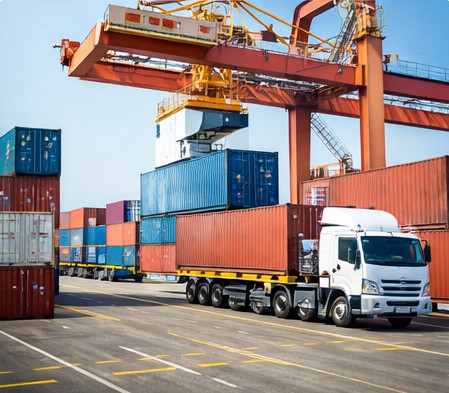
Recent upgrades to road and rail networks aim to facilitate smoother transit for goods. The construction of the Anaklia Deep Sea Port, for example, is designed to bolster the country’s capacity to handle increased cargo volumes. This port is positioned to play a pivotal role in enhancing Georgia’s maritime trade capabilities, making it a crucial player in the broader logistics network.
Moreover, the development of the East-West Highway, which connects the Black Sea to the Caspian Sea, is aimed at further improving trade efficiency. These infrastructure projects not only aim to enhance domestic transportation but also to create seamless connections with neighboring countries, thereby integrating Georgia into regional and global supply chains.
Investment Opportunities and Economic Growth
Georgia's strategic push to become a logistics hub has attracted the attention of foreign investors. The government has implemented various incentives to foster a business-friendly environment. This includes tax benefits, simplified customs procedures, and free trade agreements with multiple countries.
The country has entered into agreements with the European Union and several other countries, which provide Georgian goods with preferential market access. These agreements are designed to stimulate trade and encourage investment in logistics and related sectors, including warehousing and distribution.
Furthermore, the Georgian government has outlined its vision in the “Georgia 2020” strategy, which emphasizes the importance of logistics and infrastructure development in driving economic growth. By positioning itself as a logistics center, Georgia aims to diversify its economy and reduce dependence on traditional sectors.
Regional Collaboration and Future Prospects
Georgia’s bid to become a logistics hub is not solely a national endeavor; it involves collaboration with neighboring countries and international partners. The Silk Road Economic Belt initiative has fostered a spirit of cooperation among nations along the trade route, with Georgia playing a central role in these discussions.
The country has actively participated in regional forums to discuss transport and logistics integration. Through partnerships with countries such as Azerbaijan, Turkey, and Armenia, Georgia aims to create synergies that enhance trade flows and improve infrastructure connectivity.
While challenges remain, such as geopolitical tensions and regional instability, Georgia’s government is committed to navigating these complexities. Continued investments in infrastructure and strategic partnerships may provide a pathway toward achieving its goal of becoming a significant logistics hub on the Silk Road Economic Belt.
In conclusion, Georgia's proactive approach to enhancing its trade and logistics capabilities positions it as a potential key player in the Silk Road Economic Belt. With ongoing infrastructure improvements and a focus on attracting foreign investment, the country aims to leverage its strategic location to facilitate trade between Europe and Asia. As developments unfold, Georgia's future as a logistics hub will depend on its ability to navigate regional dynamics and maintain an attractive business environment.
Recommended Resources
This page may contain affiliate links. If you buy through these links, we may earn a commission at no extra cost to you.
Logistics & Supply Chain Book
Useful background reading for transport corridors, trade routes, and supply chains.
View ResourceTrade Data Platform
A platform for researching trade flows, customs data, and freight trends.
Open PlatformBusiness Travel Insurance
Optional partner offer for readers traveling across Eurasia for business.
Check Offer