Enhanced Operational Capacity
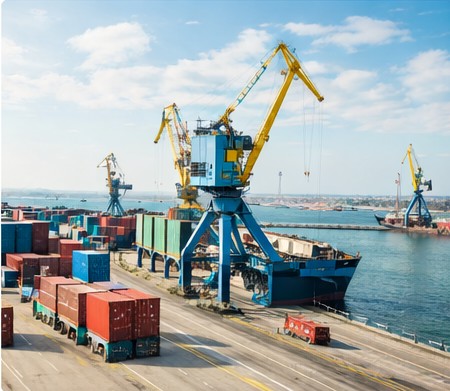
China's westernmost border port has officially transitioned to a 24/7 operational model, a move designed to enhance trade relations with Central Asian nations. This significant change is expected to improve logistics efficiency and facilitate smoother transit for goods moving between China and its neighboring countries.
The port, located in the Xinjiang Uygur Autonomous Region, has been a vital hub for trade, connecting China with Central Asia and beyond. By operating continuously, the port aims to expedite customs clearance processes and reduce waiting times for cargo, thereby making it more attractive for businesses engaged in international trade. This initiative aligns with China's broader strategy to bolster economic ties along the Silk Road Economic Belt.
Strategic Economic Importance
The shift to round-the-clock operations at this border port reflects China's ongoing commitment to strengthening its economic ties with Central Asia. This region has become increasingly important for China as it seeks to diversify its trade routes and enhance supply chain resilience.
Central Asia serves as a critical junction for the Belt and Road Initiative (BRI), which aims to improve infrastructure and connectivity across Eurasia. The enhanced functionality of the port is expected to support the transportation of various goods, including agricultural products, machinery, and raw materials, thereby fostering economic cooperation among the nations involved.
Local authorities have highlighted that the 24/7 operation will not only facilitate trade but also bolster local economies. Increased cargo flow is anticipated to create job opportunities and stimulate investment in related sectors such as logistics, warehousing, and transportation services.
Infrastructure and Technological Upgrades
To support the new operational model, significant investments have been made in infrastructure and technology at the port. Upgrades include modernized customs facilities and enhanced logistics systems designed to handle increased cargo volumes efficiently. These improvements are part of a broader strategy to optimize supply chain management and ensure that the port remains competitive in the region.
Additionally, local government initiatives are focused on training personnel to adapt to the new operational demands. The emphasis on skilled labor is crucial for maintaining high standards of service and ensuring that the port can handle the complexities of international trade effectively.
The port's transition to 24/7 operations is expected to serve as a catalyst for further investments in infrastructure within the region. Enhanced connectivity between Central Asia and major Chinese cities can lead to new opportunities for businesses and strengthen overall economic ties.
Conclusion
China's decision to operate its westernmost border port around the clock marks a significant step towards enhancing trade with Central Asia. The initiative not only aims to streamline logistics and reduce transit times but also seeks to bolster economic cooperation among nations along the Silk Road Economic Belt. As the region continues to develop its infrastructure and trade capabilities, the long-term benefits of this operational shift may contribute to a more interconnected and prosperous Eurasian economic landscape.
Recommended Resources
This page may contain affiliate links. If you buy through these links, we may earn a commission at no extra cost to you.
Logistics & Supply Chain Book
Useful background reading for transport corridors, trade routes, and supply chains.
View ResourceTrade Data Platform
A platform for researching trade flows, customs data, and freight trends.
Open PlatformBusiness Travel Insurance
Optional partner offer for readers traveling across Eurasia for business.
Check Offer