Introduction to AIIB's Role in Asia
The Asian Infrastructure Investment Bank (AIIB) has emerged as a pivotal institution in the landscape of Asian infrastructure financing since its establishment in 2016. Created to address the vast infrastructure gap in Asia, the AIIB focuses on sustainable development and aims to enhance connectivity within the region. However, recent developments suggest that China is solidifying its control over the bank, raising questions about the future direction of this critical financial institution.
China's Leadership and Strategic Direction
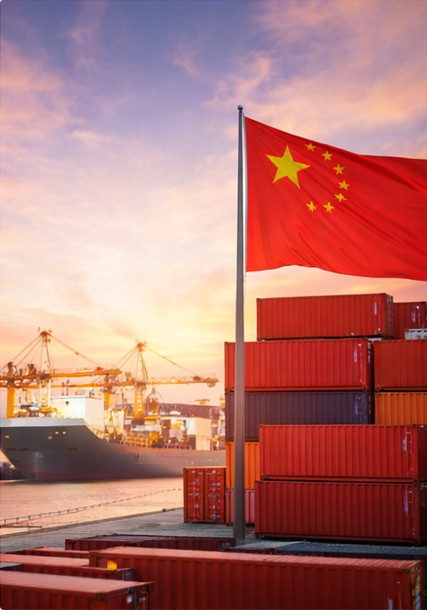
China's influence within the AIIB has been a topic of considerable discussion among economists and policymakers. With a substantial shareholding, Beijing has positioned itself as a leading voice in the decision-making processes of the bank. This influence is evident in the bank's strategic priorities, which align closely with China's broader geopolitical and economic objectives, particularly those related to the Belt and Road Initiative (BRI).
The BRI aims to enhance trade and investment across Asia, Europe, and beyond, and the AIIB serves as a financial backbone for many of its projects. As China continues to push forward with its ambitious plans, the AIIB has become an essential tool for financing infrastructure projects, which are crucial for improving connectivity and fostering economic growth in partner countries.
Moreover, China's leadership in the AIIB is reinforced by its ability to shape the bank's policies and operational frameworks. This control allows China to steer investment towards projects that complement its strategic interests while providing member countries with much-needed funding. However, this concentration of power raises concerns about the potential for political and economic leverage over smaller member nations.
Implications for Regional Infrastructure Development
As China's grip on the AIIB strengthens, the implications for regional infrastructure development cannot be overlooked. Many member countries depend on the bank for funding critical infrastructure projects, including roads, railways, and energy facilities. These projects are essential for enhancing trade and economic integration across the region.
However, the increasing dominance of China in the AIIB could lead to a lack of diversification in funding sources for infrastructure projects. Countries may find themselves more reliant on Chinese financing and expertise, which could further entrench China's influence in the region. This reliance could also shift the balance of power in negotiations, as smaller nations may feel pressured to align with Beijing's strategic interests in exchange for needed financial support.
Furthermore, while the AIIB promotes sustainable development, critics argue that the bank's projects should be scrutinized to ensure they align with environmental and social standards. The concentration of power in China's hands could lead to a prioritization of speed and cost over sustainability, particularly in regions with weaker regulatory frameworks.
The Future of AIIB and Regional Cooperation
Looking ahead, the future of the AIIB will likely be shaped by China's ongoing influence as well as the responses of other member countries. As more nations engage with the bank, there may be opportunities for broader collaboration and increased transparency in decision-making processes. This could help address concerns about China's dominance and foster a more inclusive approach to infrastructure financing.
Additionally, the AIIB could play a crucial role in enhancing regional cooperation. By investing in projects that benefit multiple countries, the bank can help facilitate dialogue and partnerships among member nations. This collaborative approach may balance China's influence and promote shared interests across the region.
In conclusion, as China's grip on the Asian Infrastructure Investment Bank tightens, the implications for infrastructure development in Eurasia are significant. The potential for increased dependence on Chinese financing raises questions about the future direction of the bank and its projects. Balancing China's influence with the needs of member countries will be critical to ensuring sustainable and equitable infrastructure development in the region. As the AIIB continues to evolve, its role as a facilitator of regional growth and cooperation remains paramount.
Recommended Resources
This page may contain affiliate links. If you buy through these links, we may earn a commission at no extra cost to you.
Logistics & Supply Chain Book
Useful background reading for transport corridors, trade routes, and supply chains.
View ResourceTrade Data Platform
A platform for researching trade flows, customs data, and freight trends.
Open PlatformBusiness Travel Insurance
Optional partner offer for readers traveling across Eurasia for business.
Check Offer