




Strengthening Infrastructure Links
Recent reports highlight a marked increase in cooperation between China and Central Asian countries, particularly in the areas of infrastructure development and logistics. This partnership is increasingly evident through various projects aimed at enhancing connectivity across the region.
China's Belt and Road Initiative (BRI) has played a pivotal role in this aspect. The ambitious framework aims to foster economic growth by improving transportation networks that connect China with Europe, the Middle East, and beyond. In Central Asia, numerous projects have been initiated, including highways, railways, and energy pipelines that facilitate trade and enhance regional connectivity.
For instance, the China-Kyrgyzstan-Uzbekistan railway project has garnered attention as a significant investment that is expected to boost trade flow between these nations. By reducing transit times and costs, such initiatives are poised to transform the economic landscape of Central Asia, making it an attractive hub for trade.
E-Commerce Expansion
In addition to infrastructure, the e-commerce sector is witnessing substantial growth as a result of China-Central Asia collaboration. Chinese e-commerce giants are expanding their reach into Central Asian markets, providing new platforms for local businesses to engage in international trade.
This expansion is not merely a one-sided affair. Central Asian companies are increasingly leveraging Chinese platforms to access broader markets, enabling them to sell goods beyond their borders. This symbiotic relationship fosters economic diversification and can lead to job creation within these countries.
Moreover, as digital payment systems improve and logistics become more efficient, the barriers to e-commerce are gradually diminishing. Central Asian consumers are gaining access to a wider array of products, contributing to a burgeoning consumer market that Chinese businesses are eager to tap into.
Logistics and Trade Facilitation
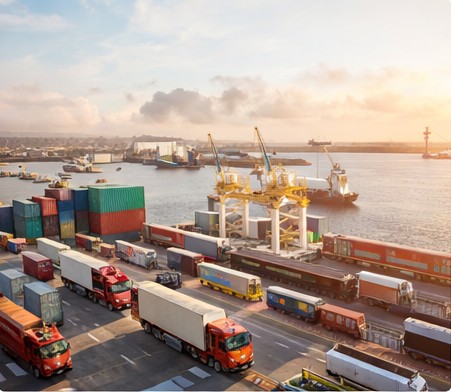
The logistics sector is another critical area where China and Central Asian nations are deepening their cooperation. Enhanced logistics capabilities play a vital role in supporting cross-border trade and investing in key infrastructure, such as customs facilities and warehousing.
China's investments in logistics hubs in Central Asia are designed to streamline the movement of goods. These hubs serve as crucial nodes in the supply chain, allowing for faster processing and distribution of products. As a result, trade volumes between China and Central Asian countries are expected to experience significant growth.
Furthermore, the establishment of trade agreements and frameworks to facilitate smoother customs processes is also on the rise. Such measures are essential in promoting trade efficiency and reducing the complexities often associated with cross-border transactions.
Conclusion
As China and Central Asian countries deepen their cooperation across infrastructure, e-commerce, and logistics, the potential for mutual economic growth appears promising. The ongoing investments and collaborative projects are likely to create a more interconnected and robust economic landscape in the region. This evolving partnership stands to benefit not only the nations involved but also the broader Eurasian economic sphere as they work together to harness new opportunities for trade and investment.
Recommended Resources
This page may contain affiliate links. If you buy through these links, we may earn a commission at no extra cost to you.
Logistics & Supply Chain Book
Useful background reading for transport corridors, trade routes, and supply chains.
View ResourceTrade Data Platform
A platform for researching trade flows, customs data, and freight trends.
Open PlatformBusiness Travel Insurance
Optional partner offer for readers traveling across Eurasia for business.
Check Offer