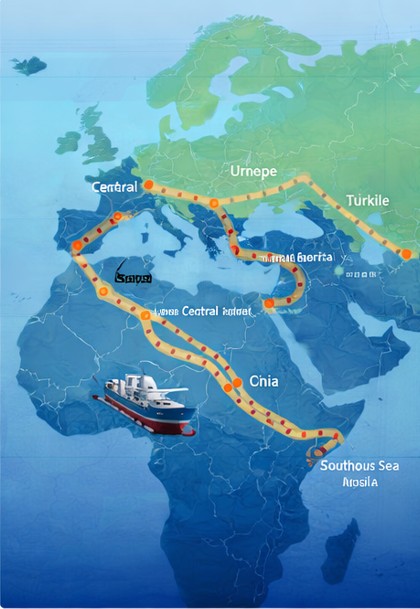
China's Silk Road Economic Belt has achieved a significant milestone in 2025, with cargo volume along this major trade corridor hitting a record high. This development reflects the ongoing expansion of logistics networks and trade activities that connect various regions, particularly in Eurasia.
Infrastructure Development Underpins Growth
The remarkable increase in cargo volume can be attributed to extensive infrastructure investments made by China and participating countries in recent years. This investment includes the construction of railways, highways, and ports, which have enhanced connectivity across borders.
The Belt and Road Initiative (BRI), launched in 2013, has played a crucial role in fostering these infrastructure enhancements. By facilitating smoother transportation routes, the initiative has enabled faster and more efficient movement of goods between China and its trading partners. The establishment of new logistics hubs has also contributed to this growth, allowing for better distribution of products across different regions.
Notably, the introduction of modern technology in logistics management is improving freight efficiency. Digital platforms that streamline customs processes and track shipments in real-time have become increasingly common, leading to reduced delays and lower transportation costs.
Trade Volume Surge with Key Partners
As a result of these infrastructure advancements, trade volume has surged, particularly with key partners in Central Asia, Europe, and beyond. Countries such as Kazakhstan, Russia, and several Eastern European nations have seen significant increases in imports and exports, driven by the enhanced logistical capabilities.
The diversification of trade routes has also allowed for greater flexibility in response to global market demands. For instance, alternative routes through the Eurasian land bridge have become increasingly popular, providing reliable access to markets that were previously challenging to reach.
China's trade with its BRI partners has consistently grown, and the latest figures reflect this trend. Reports suggest that bilateral trade between China and Central Asia alone has seen double-digit growth rates, highlighting the effectiveness of the Silk Road Economic Belt in fostering economic cooperation.
Investment and Economic Cooperation
In addition to infrastructure and logistics developments, increased investment has been a focal point of the Silk Road Economic Belt's strategy. China has strategically invested in various sectors, including energy, transportation, and technology, to bolster economic ties with participating countries.
Joint ventures and partnerships have emerged as countries seek to leverage each other's strengths. For instance, Chinese investments in renewable energy projects in Central Asia align with regional efforts to diversify energy sources and promote sustainable development.
Furthermore, economic cooperation initiatives have been established to facilitate trade and investment. These collaborations include financial support, technology transfers, and capacity-building programs. Such measures not only contribute to economic growth but also strengthen diplomatic relations among nations involved in the initiative.
In light of these developments, regional stakeholders are increasingly optimistic about the potential of the Silk Road Economic Belt to foster long-term economic stability and connectivity.
In conclusion, the record-high cargo volume along China’s Silk Road Economic Belt in 2025 underscores the critical role of infrastructure, trade partnerships, and investment in shaping the future of global commerce. As countries continue to collaborate and enhance their logistical capabilities, the corridor is poised to remain a vital artery for trade and economic development in Eurasia.
Silk Road Economic Belt Map
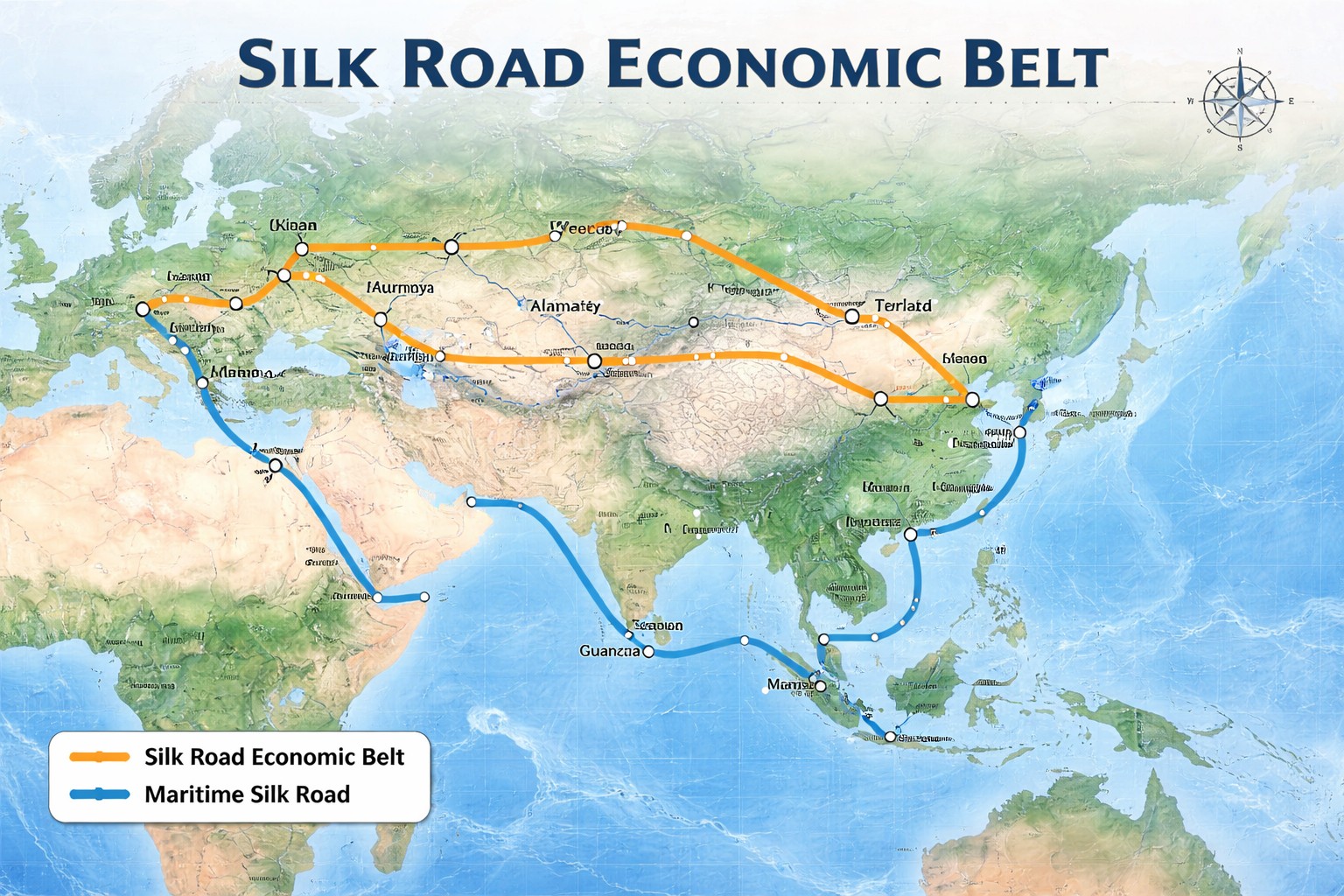
Map overview of Eurasian corridors and trade routes.
Recommended Resources
This page may contain affiliate links. If you buy through these links, we may earn a commission at no extra cost to you.
Logistics & Supply Chain Book
Useful background reading for transport corridors, trade routes, and supply chains.
View ResourceTrade Data Platform
A platform for researching trade flows, customs data, and freight trends.
Open PlatformBusiness Travel Insurance
Optional partner offer for readers traveling across Eurasia for business.
Check Offer