
---
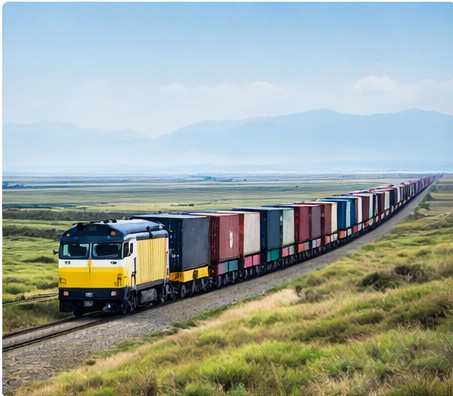
The International Finance Corporation (IFC), alongside the Multilateral Investment Guarantee Agency (MIGA), the Asian Infrastructure Investment Bank (AIIB), and Standard Chartered, has announced a significant investment of $300 million aimed at improving the Almaty Railway Bypass in Kazakhstan. This collective funding initiative is anticipated to enhance the region's logistics capabilities and facilitate trade along the Silk Road Economic Belt.
Enhancing Transportation Infrastructure
The Almaty Railway Bypass project is crucial for Kazakhstan's transportation framework. It aims to alleviate congestion in the existing railway network around Almaty, the country’s largest city and a vital economic hub. By creating a dedicated bypass, the initiative is set to streamline freight movement and increase the efficiency of goods transport.
Kazakhstan Temir Zholy, the national railway company, will oversee the implementation of this project. The investment will not only improve the transit speed for freight trains but will also bolster the overall reliability of railway services in a region that serves as a key junction in Eurasian trade routes.
Strategic Importance for Trade
Kazakhstan's geographical location positions it as a central player in the Belt and Road Initiative (BRI), which aims to enhance connectivity between Asia and Europe. The Almaty Railway Bypass is expected to play a pivotal role in this strategy by connecting various trade routes, thus facilitating smoother and quicker access to international markets.
Trade experts note that the improvement of railway infrastructure is vital for landlocked countries like Kazakhstan. Enhanced railway services can lower transportation costs, making local goods more competitive in the global market. This investment aligns with Kazakhstan's broader objectives of diversifying its economy and increasing trade volumes with neighboring countries.
Support from Multilateral Institutions
The involvement of international financial institutions such as the IFC and AIIB underscores the project's significance. The IFC, a member of the World Bank Group, specializes in private sector development and aims to stimulate economic growth by supporting infrastructure projects.
MIGA, also part of the World Bank Group, provides political risk insurance and credit enhancement to encourage foreign investment. Its participation in this project highlights the supportive environment for investors looking to engage in Kazakhstan's infrastructure development.
Standard Chartered, a leading international bank, brings its financial expertise and global network to the table, ensuring that the project meets international standards and attracts further investment opportunities.
The collective support from these institutions indicates a strong commitment to enhancing the economic landscape of Kazakhstan and fostering sustainable development in the region.
Conclusion
The $300 million investment in the Almaty Railway Bypass represents a significant step forward in improving Kazakhstan's infrastructure and logistical capabilities. As the project unfolds, it holds the potential to strengthen trade links across Eurasia, contributing to the broader goals of the Silk Road Economic Belt. By enhancing its railway network, Kazakhstan not only positions itself as a critical transit point but also opens avenues for economic diversification and growth in the region.
Recommended Resources
This page may contain affiliate links. If you buy through these links, we may earn a commission at no extra cost to you.
Logistics & Supply Chain Book
Useful background reading for transport corridors, trade routes, and supply chains.
View ResourceTrade Data Platform
A platform for researching trade flows, customs data, and freight trends.
Open PlatformBusiness Travel Insurance
Optional partner offer for readers traveling across Eurasia for business.
Check Offer